cryptoart
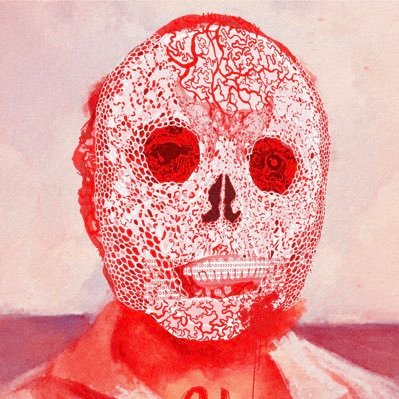
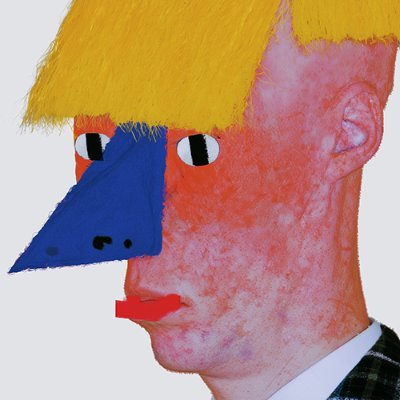
Art about crypto — its money, myths, memes and mania — made by and for the culture that grew up around it. Not simply any art that has been minted on a blockchain.
art about crypto, not art on crypto
"Cryptoart" is often used loosely to mean "NFT art": any image, video or file sold as a token. That usage misses the point. Minting is a distribution method — a landscape painting or a corporate brand collaboration does not become cryptoart because it lives on Ethereum, any more than a novel becomes "paper art" because it is printed.
Cryptoart in the stronger sense is a subject and an attitude. It is art that takes crypto culture as its material: wallets and seed phrases, rug pulls and bear markets, gas fees and gm, pump-and-dump euphoria and 3 a.m. despair, the dream of decentralisation and the comedy of how it actually plays out. It is self-aware about its own market — often critical, frequently funny, and made from inside the community rather than looking at it from outside.
roots
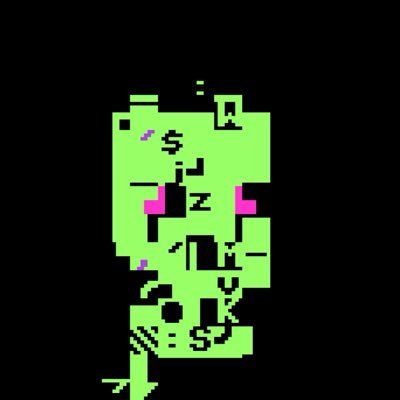
The culture's earliest artefacts were memes. Rare Pepes — trading cards of the Pepe the Frog meme issued on Bitcoin's Counterparty layer from 2016 — were collected, traded and argued over years before "NFT" was a household word. CryptoPunks (2017) turned 24×24 pixel portraits into status symbols, and the first dedicated platforms, such as SuperRare (2018), gave a small group of artists a place to sell work directly to collectors who shared their obsessions.
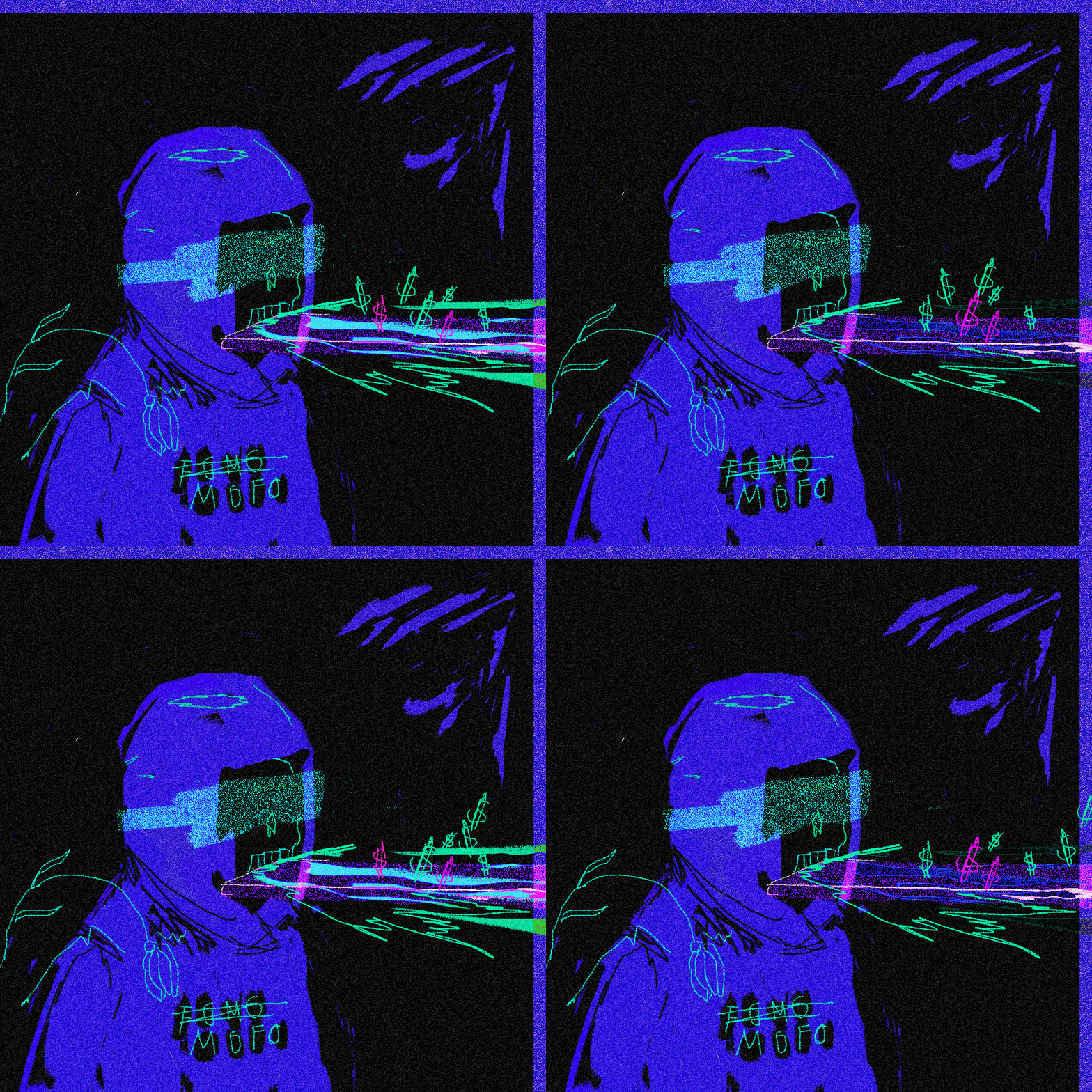
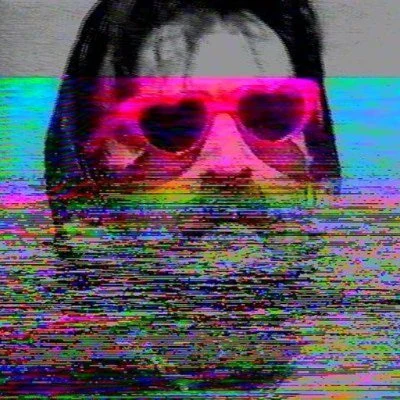
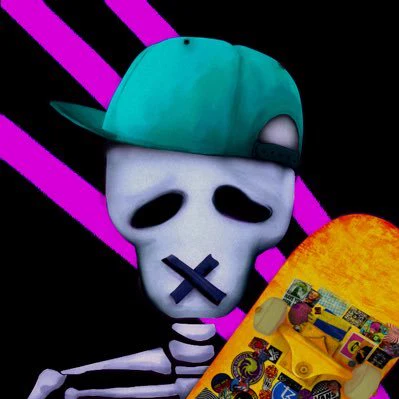
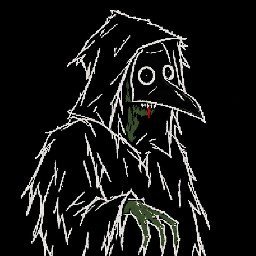
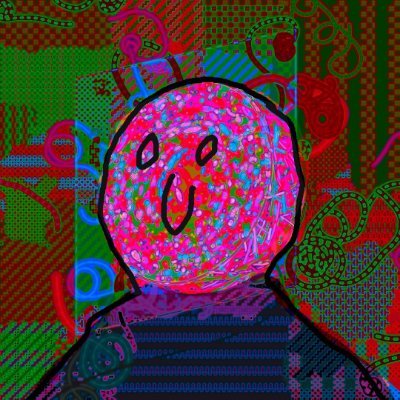
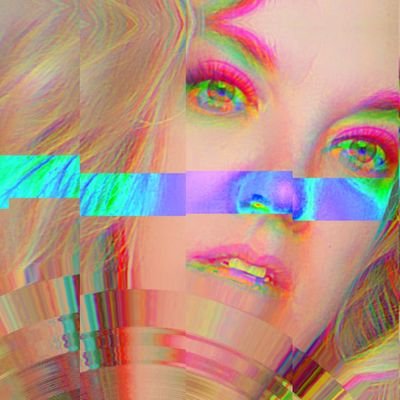
Artists such as XCOPY, Robness and Max Capacity shaped the visual language that followed: glitch, pixel and lo-fi animation; skulls, death and dread; references to charts, exploits and market cycles. Robness's trash art — and the delisting of one of the artist's trash-can images from a major marketplace — became a rallying point for the idea that cryptoart was punk, unruly and not for sale on someone else's terms.
subculture
Cryptoart is a social practice as much as a style. It happens in Twitter/X threads and Discord servers, at late-night auction closings and IRL meetups around conferences, through collector-artists who buy each other's work and curators who build shows in borrowed rooms. Institutions grew out of the community rather than the other way round — the Museum of Crypto Art (founded 2020) is one example.
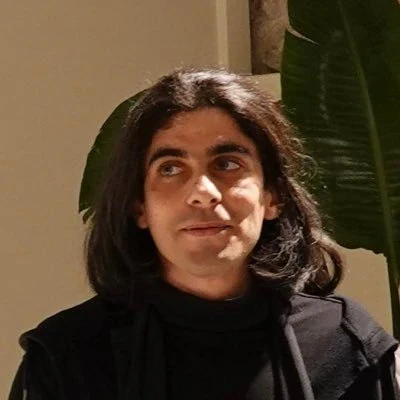
Protocol Decay sits squarely in this tradition. Its co-curator desultor signs off as a "board certified cryptoart practitioner"; most of its artists came up through crypto-native platforms; and the shows themselves — screens in galleries, a church in Texas — are an attempt to give that culture a physical room of its own.
at protocol decay