generative art
also: generativecreative codingalgorithmic art
Art made by designing a system — usually code — that produces the work, so that the artist authors the rules rather than each individual output.
what it is
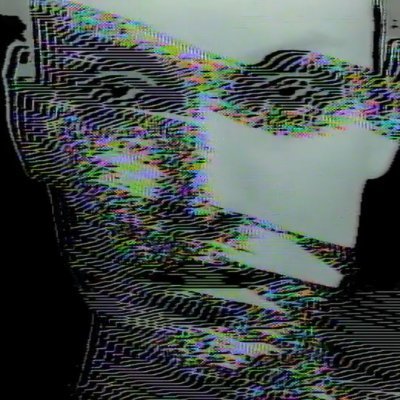
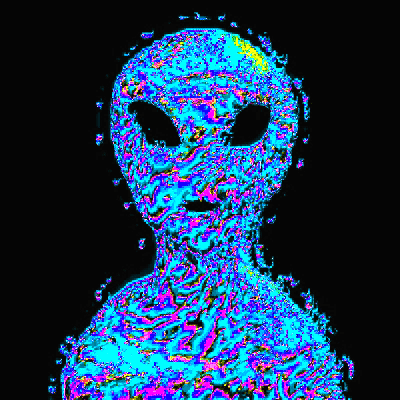
In generative art the artist writes an algorithm and lets it run, often with an element of chance. Every output is different, but all of them bear the logic and taste of the system. The practice ranges from strict geometric abstraction to code that processes video, images or sound in real time.
Creative coding — writing software as an artistic medium — is the toolkit of most generative artists today, through environments such as Processing, p5.js and shader languages.
a short history
The first exhibitions of computer-generated art took place in 1965, with work by Georg Nees, Frieder Nake and A. Michael Noll; Vera Molnar had been working algorithmically by hand even earlier. Processing (2001) opened the field to a new generation.
Blockchains gave generative art a new form: platforms like Art Blocks (2020) and fx(hash) (2021) let collectors mint an output from the algorithm itself. Art Blocks' Marfa weekend is the context in which Protocol Decay's 2025 Marfa edition took place.
further reading
at protocol decay