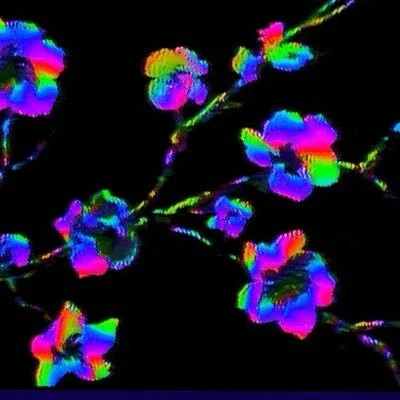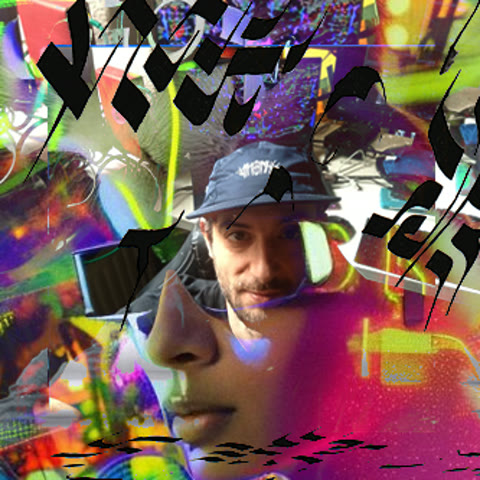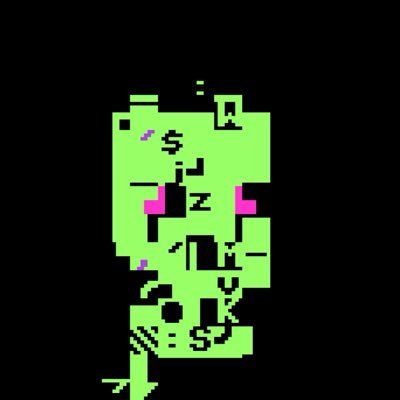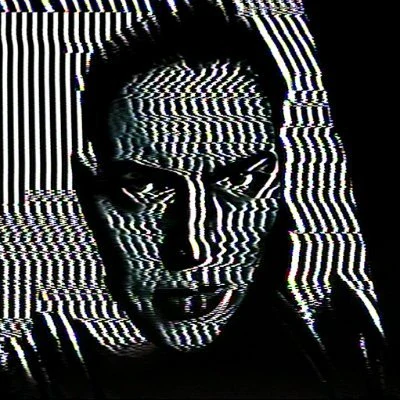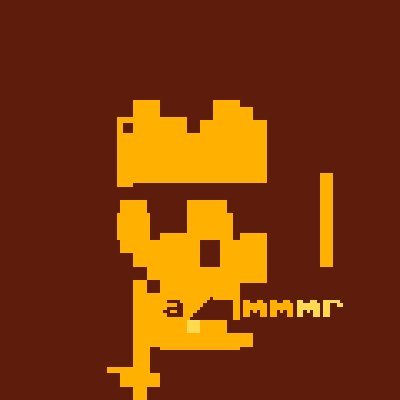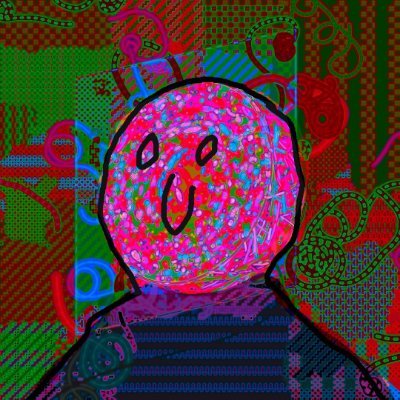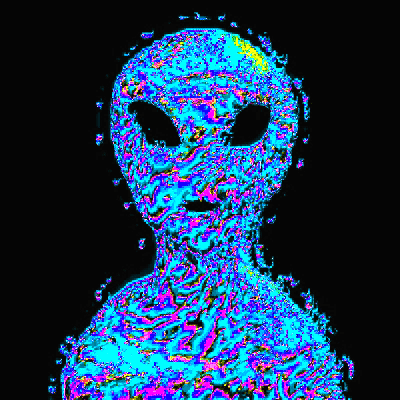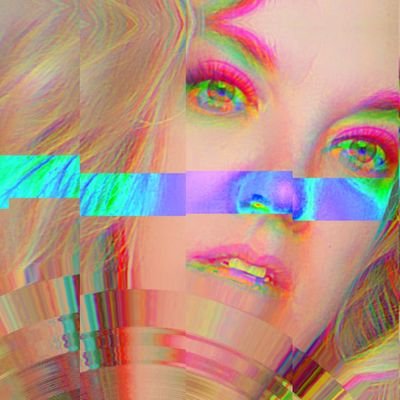
glitch art
also: glitchglitch aesthetics
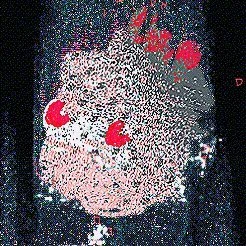
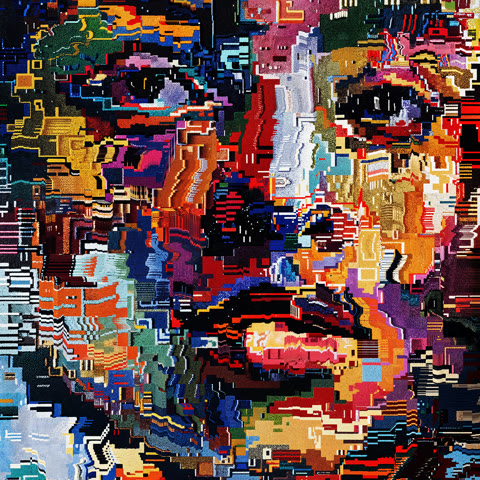
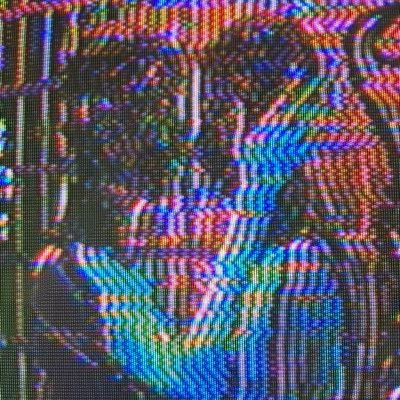
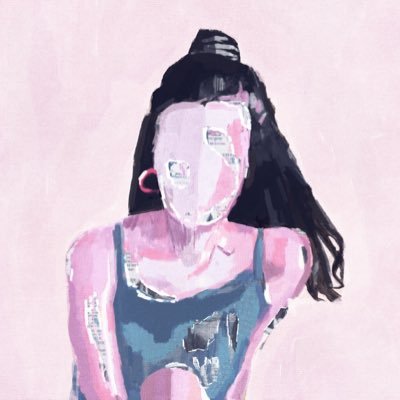
Art made from — or in the image of — errors: corrupted files, broken signals, failing hardware and the unexpected behaviour of machines.
what it is
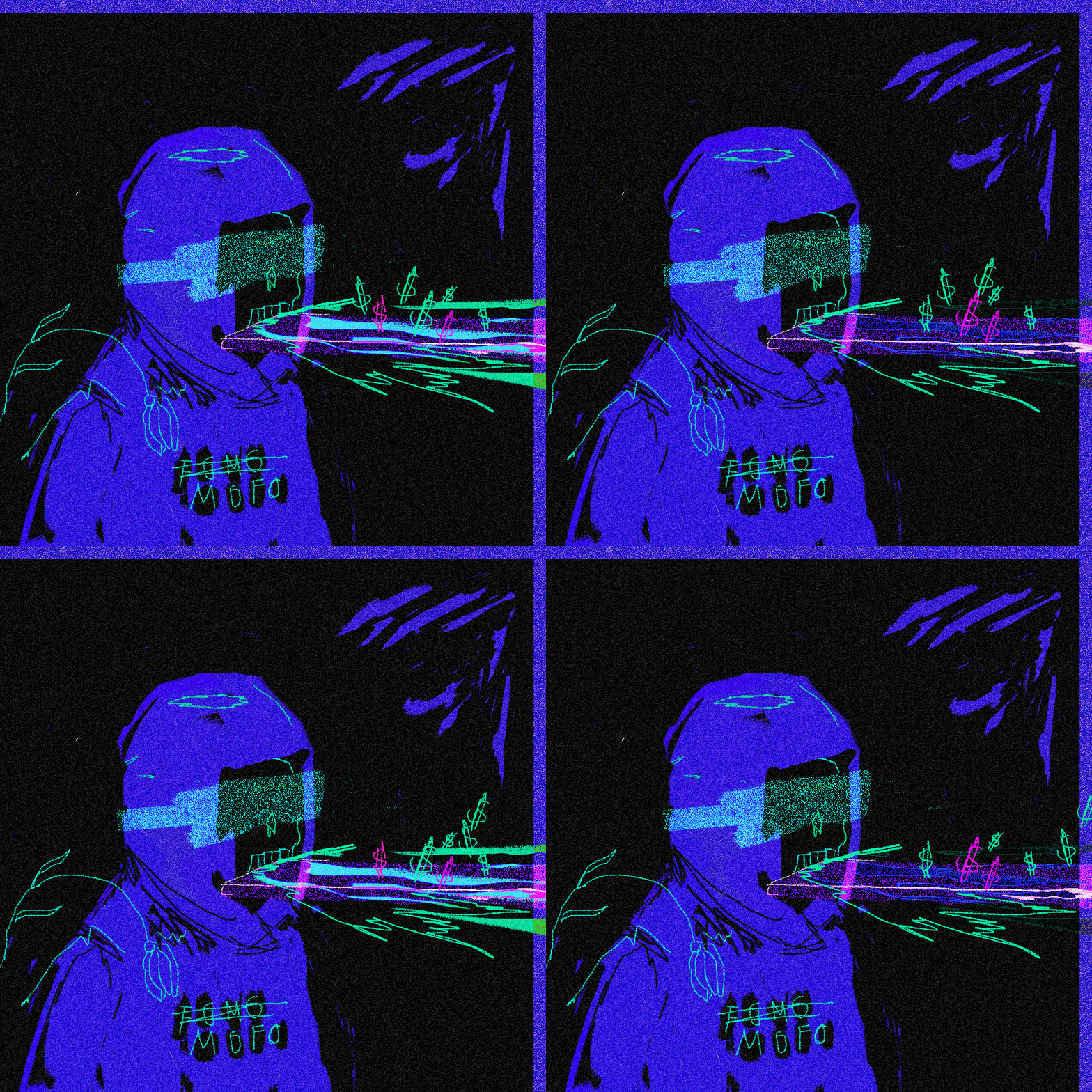
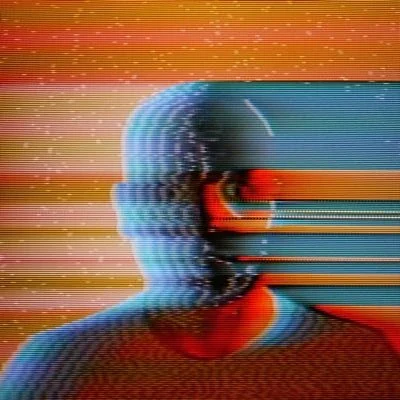
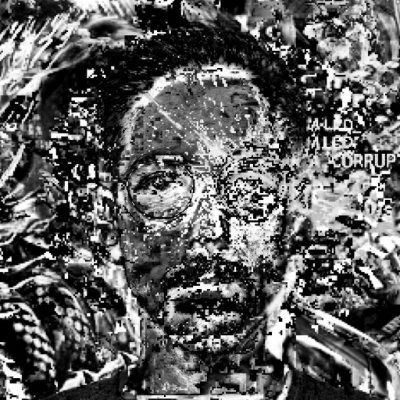
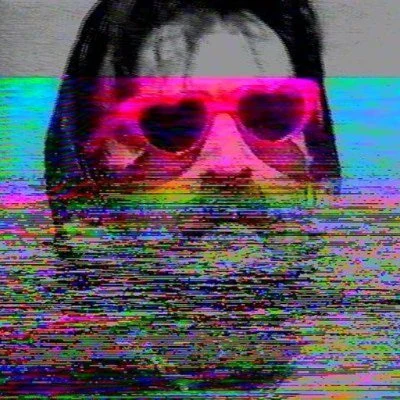
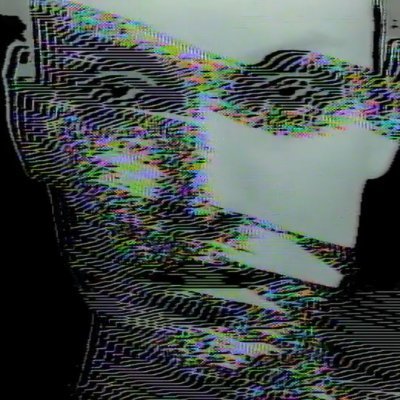
A glitch is a short-lived fault in a system: a decoder that loses its place, a cable that drops a line of signal, a file whose bytes no longer mean what the software expects. Glitch art keeps that moment instead of fixing it. Some artists provoke real errors by editing data, bending circuits or abusing compression; others paint, draw or code images that borrow glitch's visual language — scan lines, colour-channel splits, pixel smears, blocky macroblocks.
The point is rarely the error alone. Glitch makes the medium visible: it shows that a photograph on a screen is really a file, a codec and a display, and that each of those layers has its own logic and its own way of failing.
a short history
Artists have worked with machine failure for as long as there have been machines to break. Nam June Paik distorted television images with magnets in the 1960s, and Jamie Fenton's Digital TV Dinner (1979) was made by striking a Bally home game console while it loaded, filming the chaos on screen.
The term "glitch art" took hold in the 2000s. Takeshi Murata's datamoshed Monster Movie (2005) brought compression artefacts into galleries; Rosa Menkman's Glitch Studies Manifesto (2010) gave the movement a theory; and the GLI.TC/H gatherings in Chicago (2010–2012) gave it a scene. Pixel sorting, databending and datamoshing spread through online communities, and by the end of the decade glitch had leaked into music videos, fashion and advertising.
glitch and the blockchain era
When artists began selling digital work on-chain around 2018, glitch artists were among the earliest and most committed — on SuperRare, and especially on Tezos, where cheap minting made room for experimental, high-volume practices. Glitch suited the new medium: it is native to the screen, it loops, and it celebrates the very instability that collectors were being asked to trust.
Protocol Decay grew out of that community, and its name says it plainly: the protocol is the system, the decay is the art.
further reading
at protocol decay