ai art
also: machine learning art
Art made with machine-learning models — and, at its most interesting, art about what those models see, misunderstand and invent.
what it is
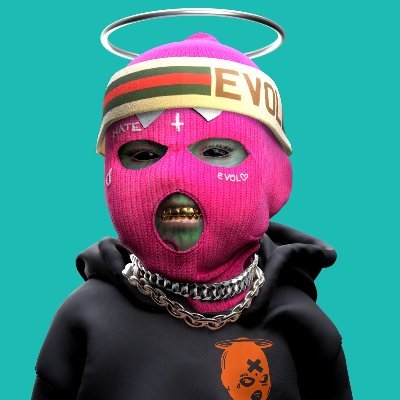
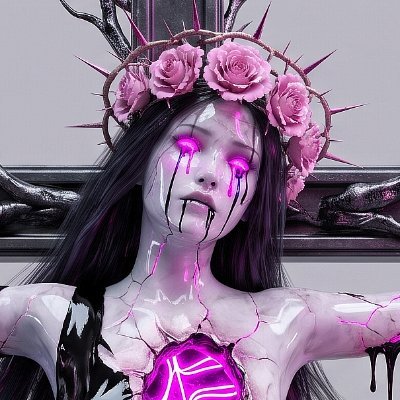
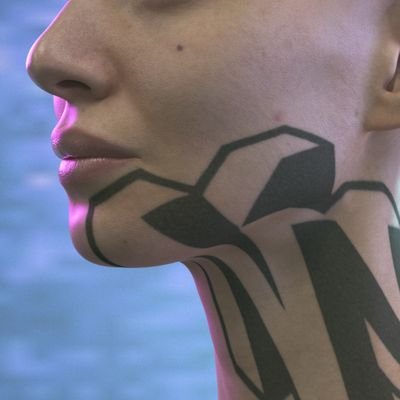
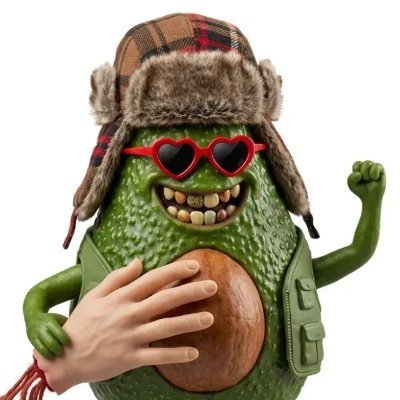
AI art covers work produced with neural networks: image generators, style transfer, models trained on an artist's own archive, and tools that animate or transform footage. As with photography or video before it, the technology is a medium, not a style; artists differ in how much they direct, edit, combine and break what the model returns.
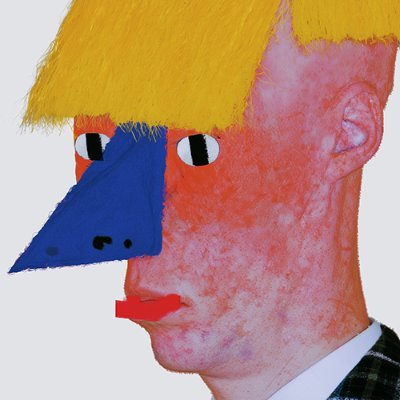
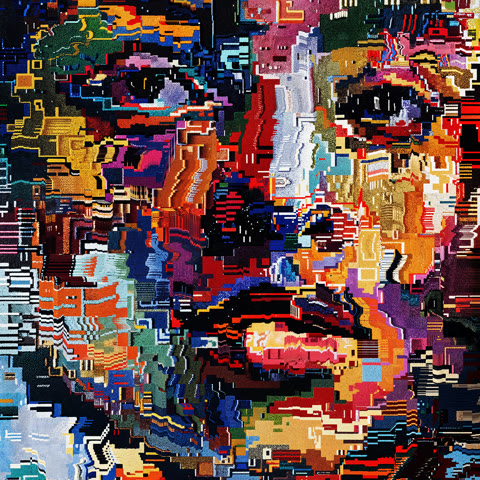
For glitch-minded artists, models are a new source of error. Artefacts, hallucinations, impossible anatomy and the smeared logic of a model pushed past its training are treated as material, not mistakes.
a short history
Harold Cohen's drawing program AARON (begun in 1973) is an early landmark. Google's DeepDream (2015) and generative adversarial networks — introduced in 2014 — brought machine imagery to a wide audience, and a GAN portrait sold at Christie's in 2018. Diffusion models released in 2022 made image generation mainstream.
In the cryptoart world, AI-assisted artists were early adopters, and debates about authorship, training data and craft continue to shape how the work is made and received.
further reading
at protocol decay