analog video art
also: analog videovideo art
Video made with — and about — pre-digital signal: tape, cathode-ray tubes, video synthesisers and the continuous voltages that carried television.
what it is
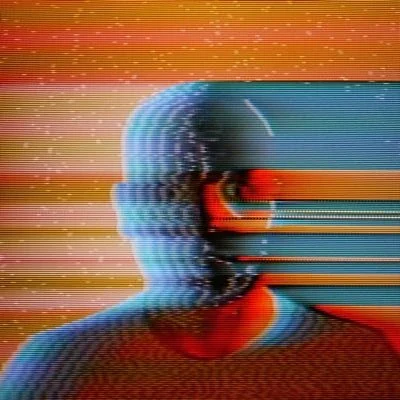
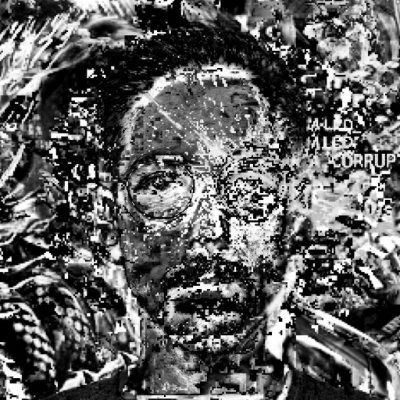
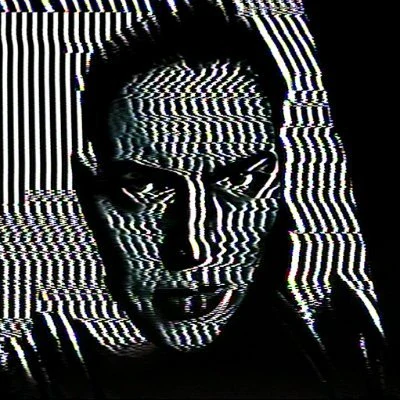
Analog video encodes an image as a continuously varying electrical signal rather than as numbers. That signal can be bent, mixed, fed back on itself, colourised and degraded in real time, and its failures — tracking errors, colour bleed, rolling bars, generation loss — have a texture that digital video does not.
Contemporary analog video artists work with VHS decks, CRT monitors, vintage cameras, broadcast mixers and modular video synthesisers, often capturing the result digitally at the end of the chain.
a short history
Video art was born analog. Nam June Paik and Shuya Abe built the Paik/Abe video synthesiser in 1969–70; Dan Sandin's Image Processor (early 1970s) and the Rutt/Etra scan processor (1972) let artists sculpt the signal directly, and Steina and Woody Vasulka explored video feedback and signal processing from their New York and Santa Fe studios. Community video and public-access television spread the tools further.
As broadcast went digital, the discarded hardware became cheap, and a new generation — many of them also working on-chain — picked it up. Communities such as the Analog Video Union, which Max Capacity co-founded, and the Montreal festival RGBMTL keep the practice alive.
further reading
at protocol decay